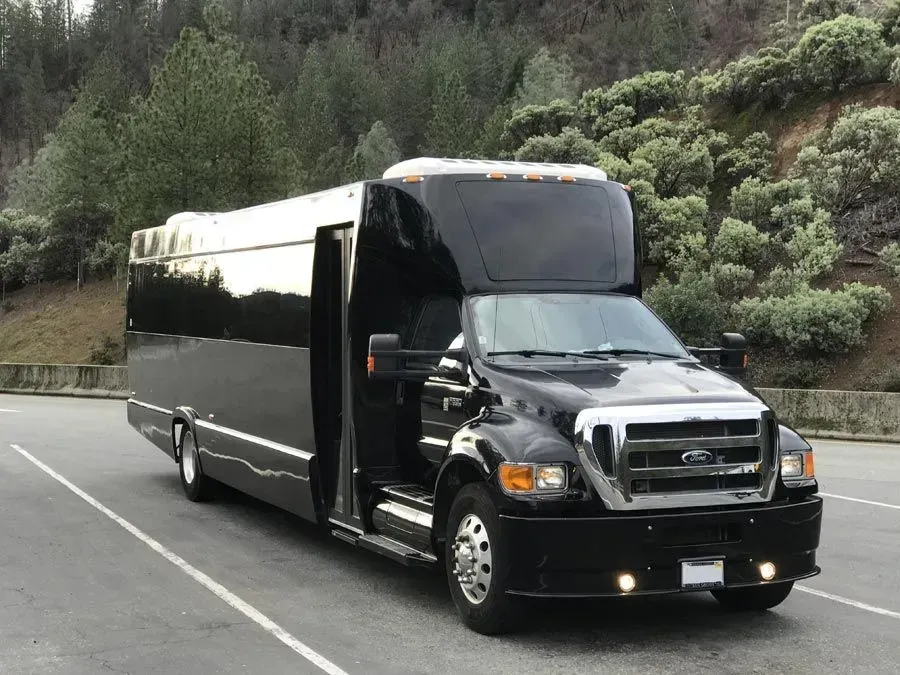
Event planning entails numerous tasks, and travel logistics are often neglected. A frequent error is expecting attendees to arrive independently or depend entirely on their own cars. Such assumptions may cause lateness, scheduling conflicts, and added stress for everyone involved. Evaluating the number of attendees needing rides, including special needs, is vital. Considering accessibility and convenience ensures that all attendees arrive comfortably and on time. Neglecting transport considerations may negatively impact both schedule and guest experience.
Scheduling vehicles without accounting for the number of guests can result in overcrowded rides or long waits. Flexible scheduling is key to accommodate unforeseen changes. Securing dependable transport ahead of time avoids problems caused by scarcity. By considering peak travel times and traffic patterns, hosts can minimize delays and maintain a smooth event schedule. Well-planned logistics communicate professionalism and foresight. With Haas Limo, guests enjoy coordinated and effortless transportation from beginning to end.
Failing to Communicate Clearly With Transportation Providers
Clear communication with transportation providers is essential for a successful event. Confusion over timing, places, or vehicle details often disrupts the transportation flow. Sharing comprehensive directions and double-checking arrangements avoids common mistakes. Communicating unique preferences or VIP accommodations ensures proper service. Without clear communication, the service quality may not meet expectations, impacting the guest experience. Ensuring everyone involved is on the same page builds confidence and reliability.
Designating a central coordinator for transport details simplifies read more oversight. This helps in addressing last-minute changes efficiently and ensures that drivers are aware of the complete schedule. Pre-checking travel paths and schedules prevents unnecessary delays. Providing guests with essential contact details enables quick reporting of issues. Open and detailed communication ensures seamless execution. Regular updates throughout preparation build reliability and confidence.
Neglecting Schedule Considerations
Proper scheduling is essential for successful event travel. Underestimating trip lengths risks lateness and tension for attendees. Planning buffer time for traffic, unforeseen delays, or parking challenges can prevent unnecessary stress. Coordinating arrival times to avoid congestion and ensure a steady flow of guests enhances the overall experience. Proper timing encompasses beginning and ending phases for uninterrupted operations. Meticulous schedule management conveys expertise and preparedness.
Overloading vehicles or underestimating transit time can disrupt the smoothness of an event. Detailed itineraries enable teams to execute transport without confusion. For multi-location events, mapping out travel sequences and timing ensures guests reach each destination comfortably. Accounting for attendees with special needs increases operational effectiveness. Well-planned timing prevents unnecessary stress for everyone involved. Proper timing frees organizers to concentrate on the event rather than transport concerns.
Failing to Account for VIP or Accessibility Needs
Certain guests could have needs that must be factored into planning. Special needs might involve mobility assistance, specific in-car amenities, or VIP confidentiality. Failing to accommodate these needs causes frustration and discomfort. Early planning ensures transport solutions meet unique guest requirements. Making attendees feel respected and accommodated improves the event’s perception. Considering individual needs reflects professionalism and thoughtfulness.
Giving detailed guidance on special requirements ensures smooth operations. Ensuring vehicles meet accessibility or cargo needs avoids delays and stress. Predicting possible challenges demonstrates preparedness and guest-first thinking. When attendees’ needs are met, they enjoy a pleasant and lasting impression. Organizers who plan for unique requirements circumvent typical mistakes. Attentive organization allows everyone to travel smoothly and securely.
Overlooking Vehicle Care and Standards
Guest perception is greatly influenced by vehicle condition and reliability. Riding in neglected or uncomfortable cars can detract from the overall event impression. Regular inspections of cleanliness, mechanics, and interior amenities are vital. VIP experiences are measured by both promptness and the comfort of transportation. Guests expect smooth, safe, and enjoyable transportation, particularly for high-profile or formal events. Ignoring vehicle quality can undermine even the most detailed event arrangements.
Pre-event inspections help secure dependable transportation and reduce stress. Ensuring entertainment, lighting, and climate functions are operational improves the ride experience. Extra amenities such as drinks or mood lighting elevate the premium feel of the journey. Having cars ready ahead of time avoids unexpected issues. Focusing on vehicle care underscores event organizers’ attention to excellence. Attendees appreciate careful preparation, influencing how they perceive the event.
Failing to Plan for Unexpected Changes
Event schedules often shift, so contingency planning for transportation is key. Unexpected traffic, weather, or additional attendees can upset timing. Without contingency planning, these changes can create stress and confusion. Contingency measures like extra transport or flexible routing help prevent interruptions. Adaptable strategies sustain attendee trust and staff efficiency. Being ready for the unforeseen preserves order and satisfaction throughout.
Working with a provider to plan alternatives enhances event reliability. Sharing likely changes ahead of time enables fast response by drivers. Structured contingency plans protect against setbacks and reassure attendees. Preparing for difficulties shows foresight and meticulous management. Flexibility and preparedness are key factors in creating a seamless experience. Planning for contingencies helps maintain order and event quality.
Choosing the Wrong Type of Vehicle
Selecting vehicles that do not align with the event type or guest expectations can impact satisfaction. Vehicle size misalignment can cause discomfort or lack of intimacy. Understanding the right vehicle type for the number of guests, luggage needs, and event style is critical. Amenities like Wi-Fi, climate control, and spacious seating contribute to the comfort and convenience of attendees. Proper vehicle selection ensures that all aspects of transportation complement the event atmosphere. Thoughtful vehicle choice demonstrates careful coordination.
Working with experts eases vehicle choice and planning. Skilled transport services align car options with guest needs and event style. Providers evaluate guest experience, design preferences, and unique demands. Choosing carefully reduces logistical issues and improves enjoyment. Partnering with Haas Limo ensures attendees travel in elegance and ease. Vehicle appropriateness leaves a positive, lasting impact on guests.
Inadequate Coordination Between Drivers and Event Staff
Driver and staff alignment is vital, yet sometimes neglected. Poor coordination leads to delays, crowding, and scheduling mistakes. Establishing clear communication channels between drivers, coordinators, and staff ensures that everyone is on the same page. Sharing schedules and contacts helps drivers adapt to adjustments efficiently. Well-managed communication creates efficient, low-stress transport. Proper alignment makes transport a positive part of the event.
Holding briefings ensures everyone understands the schedule and expectations. Setting up monitoring and contingency measures improves response to issues. Tracking guest movement avoids congestion and scheduling problems. Effective dialogue improves security, convenience, and smooth operations. Leveraging the expertise of Haas Limo ensures that this coordination is handled professionally. Flawless logistics management enhances perceptions of competence and high standards.